Why Seniors Are Turning to the Pool
More older adults across Toronto and the GTA are rediscovering something they might have enjoyed decades ago: the feeling of weightlessness in water. Whether you’re 60, 75, or 85, swimming offers a unique way to stay active without the aches that come with jogging or high-intensity workouts.
This guide walks you through the real benefits of water exercise for seniors, what to expect from swimming lessons designed for your age group, and how to get started safely in Scarborough, Markham, Vaughan, and throughout Toronto.
Is Swimming Good for Seniors?
Short answer: absolutely. Water exercise is one of the safest, most accessible forms of physical activity for older adults. If you’re dealing with arthritis, worried about balance, or just looking for a gentler way to stay fit, the pool checks all the boxes.
You get a full-body workout that protects your joints, strengthens your heart, improves balance, and often lifts your mood in ways that surprise first-timers.
Why Water Exercise Works So Well for Aging Bodies
Here’s what makes water special: buoyancy. When you’re submerged up to your chest, water supports about 80% of your body weight. That means your knees, hips, and back get a break from the constant pressure of gravity. For someone with arthritis or recovering from injury, this is a game-changer.
The resistance water provides is also adjustable. Move slowly, and it’s gentle. Speed up or add equipment like foam dumbbells, and suddenly you’re building serious strength. Unlike weights at the gym, water resistance works in all directions, so every movement doubles as a strength exercise without strain.
Health Benefits of Swimming for Older Adults
Joint Health & Arthritis Relief
Warm water does something almost magical for stiff, painful joints. It increases blood flow, relaxes muscles, and lets you move through ranges of motion that might hurt on land. Studies on aquatic exercise consistently show improvements in pain levels and physical function for people with osteoarthritis, particularly in the knees and hips.
You don’t have to be a strong swimmer to benefit. Simply walking back and forth in chest-deep water, doing gentle leg swings, or practicing arm circles can reduce morning stiffness and make daily activities more comfortable.
Heart & Lung Health
Swimming and water walking are excellent for cardiovascular fitness. Your heart rate goes up, but because you’re supported by water, it doesn’t feel as taxing as running or cycling. Over time, regular aquatic activity can help lower blood pressure, improve circulation, and boost your overall stamina.
Many seniors notice they have more energy for daily tasks after a few weeks of consistent water exercise. Climbing stairs, carrying groceries, or keeping up with grandchildren becomes easier.
Balance, Strength, and Fall Prevention
Falls are a serious concern as we age, but water offers a safe environment to work on balance without the fear of injury. Research shows that aquatic programs can improve stability and reduce fall risk. The water’s resistance naturally strengthens the muscles that keep you upright, particularly in your core, legs, and ankles.
Instructors often include exercises like standing on one leg (while holding the pool edge for support), walking heel-to-toe along the wall, or marching in place. These movements translate directly to better balance on dry land.
Flexibility, Mobility & Everyday Comfort
Stiff hips, tight shoulders, and limited knee mobility can make everyday life frustrating. Water allows you to stretch and move your joints through their full range without pain.
Over time, this increased flexibility makes simple tasks like bending to tie shoes, reaching for items on high shelves, or getting in and out of a car noticeably easier.
Brain Health, Mood & Sleep
The social aspect of group swim classes shouldn’t be overlooked. Isolation and loneliness affect many older adults, and regular interaction with classmates and instructors can genuinely improve mental health. The gentle physical exertion also tends to improve sleep quality, especially if you swim in the late afternoon or early evening.
There’s something calming about being in water. Many seniors report feeling more relaxed and less anxious after their swim sessions.
Best Water Exercises for Seniors

For Arthritis & Joint Pain
Start with the basics:
- Water walking: Walk forward, backward, and sideways across the shallow end. Keep your core engaged and move at your own pace.
- Gentle leg lifts: Hold the pool wall and lift one leg forward, to the side, and behind you. The water supports your movement while building strength.
- Arm circles: With shoulders submerged, make small then larger circles. This is wonderful for shoulder mobility.
If possible, seek out pools with warm water (around 84-88°F). The warmth adds extra relief for painful joints.
For Balance & Fall Prevention
These exercises help retrain your body’s stability systems:
- Supported single-leg stands: Hold the wall with one hand and lift the opposite foot slightly off the pool floor. Start with 10 seconds and gradually increase.
- Marching in place: Lift your knees high while maintaining good posture. This strengthens hip flexors and challenges your balance.
- Heel-to-toe walking: Walk along the pool wall placing one foot directly in front of the other, like walking a tightrope.
For Strength & Endurance
Once you’re comfortable with basic movements, add resistance:
- Pool noodle exercises: Use a foam noodle to create resistance for arm and leg exercises. Push it down through the water or use it for support during kicks.
- Water dumbbells: Lightweight foam dumbbells create surprising resistance underwater. Try bicep curls, chest presses, and overhead lifts.
- Interval training: Alternate between 30 seconds of faster movement (like jogging in place) and 30 seconds of easy walking. Adjust based on your fitness level.
Do Seniors Need Formal Swimming Lessons or Just Water Exercise?
This depends on your goals and current comfort level in water. If you can already swim and just want to stay active, drop-in water aerobics classes might be perfect. But if you haven’t swum in decades, feel nervous in deeper water, or want to learn proper stroke technique, structured swimming lessons offer real advantages.
Formal lessons with an instructor who understands senior-specific needs can:
- Build confidence and water safety skills
- Teach you to swim independently, opening up more pool areas and activities
- Provide personalized feedback on technique to prevent strain
- Create a progression from shallow water comfort to potential lap swimming
The choice is yours, but many older adults find that investing in a few lessons pays off in increased independence and enjoyment.
What to Expect in Senior Swimming Lessons

How Classes Are Structured for 60+ Swimmers
Senior swim classes move at a realistic pace with plenty of breaks. Instructors understand that you may need time to adjust to water temperature, catch your breath, or modify certain movements due to mobility limitations. Classes are typically small, allowing for individual attention and questions.
A typical 45-minute class might include:
- Warm-up with easy walking and arm movements
- Balance exercises along the wall
- Strength activities with water weights or noodles
- Cool-down stretches
- Time for questions or technique practice
Qualified instructors have experience adapting exercises for various health conditions and fitness levels.
Safety Considerations for Older Adults
Before starting any new exercise program, check with your doctor, especially if you have heart conditions, recent surgery, or other health concerns. Bring up any medications that might affect balance or heart rate response to exercise.
On swim days:
- Stay hydrated before, during, and after class
- Check that pool temperature is comfortable (too cold can be jarring; too warm can be tiring)
- Use non-slip footwear until you’re in the water
- Let your instructor know about any pain or discomfort immediately
Good instructors monitor how you’re feeling throughout class and will adjust intensity as needed.
Senior Swim Programs & Water Fitness Options in the GTA

Senior Swim Programs in Toronto & Across the GTA
The GTA offers various options for older adults interested in swimming and water fitness:
- Learn-to-swim programs: Designed specifically for seniors who are beginners or returning to swimming after many years
- Gentle lane swim times: Reserved lanes during quieter hours for slower, recreational swimming
- Aqua-fit classes: Group water aerobics with music and social interaction
Alex’s Swim School offers specialized instruction for seniors in private and small-group settings, with patient instructors who understand the unique concerns of older swimmers. Community centers, YMCAs, and municipal pools throughout Toronto also provide programming.
Water Aerobics & Group Fitness in Scarborough, Markham, Vaughan
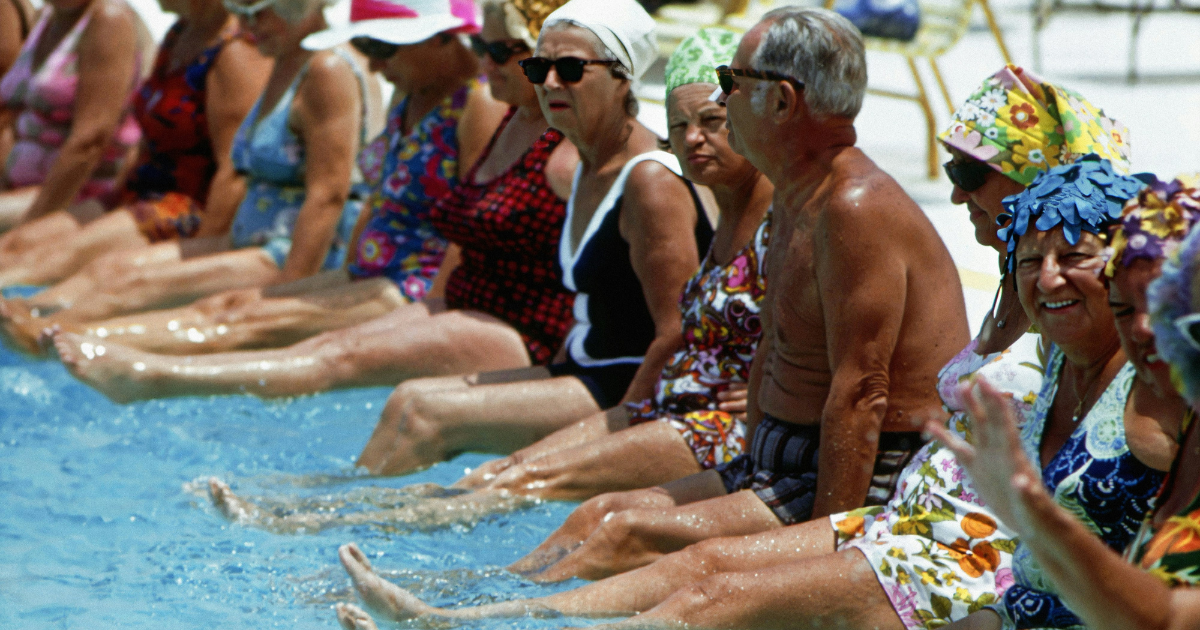
Group water fitness classes are popular in Scarborough, Markham, and Vaughan community centers. These hour-long sessions usually include upbeat music, a variety of exercises, and a social atmosphere that keeps people coming back. The motivation of exercising alongside peers can be powerful.
A typical weekly routine might look like:
- Monday and Thursday: Attend a water aerobics class
- Saturday morning: Leisurely swim at your own pace
- Other days: Walking, stretching, or rest
How Often Should Seniors Swim?
Two to three sessions per week is a solid target for most seniors. This frequency allows your body to adapt and strengthen without overtraining. You’ll see improvements in energy, mobility, and strength within about four to six weeks of consistent practice.
A balanced weekly schedule might include:
- Two water-based workouts (swimming or aqua-fit)
- One or two walks outdoors
- Light stretching or yoga on alternate days
- At least one full rest day
Listen to your body. Some weeks you might feel great and swim four times; other weeks, twice is plenty.
Overcoming Common Concerns Seniors Have About Swimming

“I haven’t been swimming since I was a kid.” That’s completely normal. Many seniors are in the same boat. Start in shallow water, take things slowly, and remember that swimming skills come back faster than you’d expect. You’re not trying to qualify for the Olympics; you’re just moving your body in water.
“I’m afraid of deep water.” You can get a great workout in three or four feet of water. Most senior classes stick to the shallow end anyway. There’s no requirement to venture into deep water unless you want to.
“I’m self-conscious about wearing a swimsuit.” Focus on function over fashion. Most people at the pool are concentrating on their own workout, not judging others. Swim skirts, rash guards, and modest one-pieces are widely available if that makes you more comfortable. What matters is that you show up.
“I’m not fit enough to swim.” The beauty of water exercise is that it meets you where you are. You can start with five minutes of simple walking and build from there. There’s no baseline fitness required to begin.
How Alex’s Swim School Supports Seniors in the GTA
Alex’s Swim School works with older adults throughout Toronto, Scarborough, Markham, and Vaughan, offering lessons tailored to senior needs. Whether you prefer one-on-one instruction or a small group setting, the approach is patient, encouraging, and focused on building confidence at your own pace.
Lessons take place in warm, indoor pools with easy access. Instructors are trained to work with various mobility levels and health conditions, adapting exercises to suit your abilities while still challenging you appropriately.
FAQ: Swimming Lessons for Seniors
Am I too old to start swimming at 65 or 75?
No. People start swimming in their 70s, 80s, and even 90s. Age is just a number when it comes to learning in water. The key is finding the right instructor and pace for you.
Is swimming safe if I have arthritis or osteoporosis?
Swimming is generally one of the safest exercises for both conditions, but always consult your doctor first. Water’s buoyancy protects joints, and the resistance builds bone-supporting muscle without high impact.
Do I need to know how to swim to join water aerobics?
Not usually. Most water aerobics classes take place in shallow water where you can stand comfortably. However, basic water comfort helps you relax and enjoy the class more.
What should I bring to my first senior swim lesson?
Bring a swimsuit, towel, and any necessary mobility aids. Water shoes with non-slip soles are helpful. You might also want goggles if you plan to put your face in the water, though many seniors prefer to keep their head above water during lessons.
How long before I notice results?
Most people feel better after just one or two sessions. Measurable improvements in strength, balance, and mobility typically appear within four to six weeks of regular participation.
Can I swim if I take medication for high blood pressure or heart conditions?
Usually, yes, but this requires medical clearance. Bring a list of your medications to discuss with your doctor before starting. Also, inform your swim instructor about any medications that affect balance or heart rate.
Getting Started with Senior Swim Lessons in the GTA
You don’t need to be in perfect shape to start swimming. You don’t need decades of experience. All you need is the willingness to try something that could genuinely improve your quality of life. Whether you’re looking to ease arthritis pain, reduce your risk of falls, or simply enjoy moving your body again, water offers a welcoming, supportive environment.
If you’re ready to explore senior swimming lessons or water fitness in Toronto, Scarborough, Markham, or Vaughan, reach out to Alex’s Swim School to learn about programs designed with older adults in mind. Your future self will thank you for taking this step toward better health and mobility.